
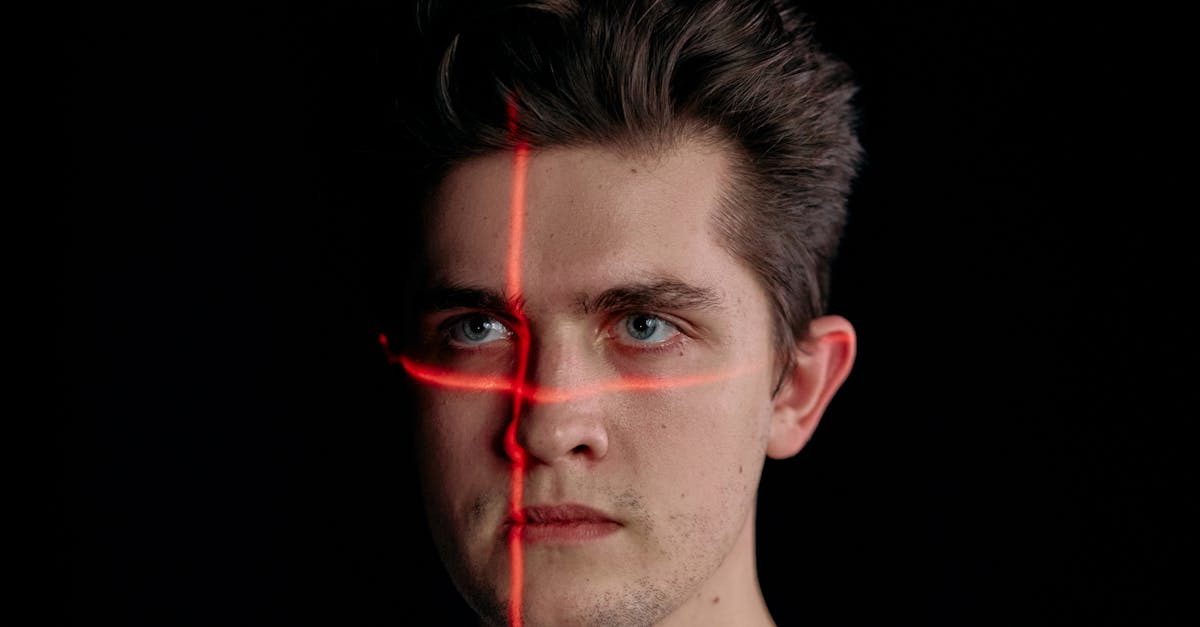
The Philosophical Implications of Biometric Verification on Digital Platforms
Discord, a platform that has become synonymous with digital community and communication, is set to implement a significant change next month. Users will be required to submit either a face scan or government-issued ID for full access. This shift towards biometric verification raises profound questions about privacy, security, and the nature of identity in our increasingly digital world.
Scalability and User Trust
From an architectural perspective, this move by Discord is a bold step towards enhancing platform security and trust. As the user base grows, so does the need for robust verification methods to prevent fraud and ensure genuine interactions. Biometric verification offers a scalable solution that can adapt to the platform’s expanding user base while maintaining high levels of security.
The Philosophy of Digital Identity
However, this policy also invites us to ponder the philosophical underpinnings of digital identity. In an era where our online presence is as significant as our physical one, how do we define and protect our digital selves? Biometric verification ties our online identities more closely to our physical beings, blurring the lines between the two.
This raises questions about consent and control over personal data. Users must grapple with the trade-off between convenience and privacy, deciding whether the benefits of enhanced security outweigh the risks of sharing sensitive biometric information.
A Future of Integrated Identities
Looking ahead, this trend towards biometric verification may signal a future where our digital identities are seamlessly integrated with our physical ones. This integration could streamline online interactions but also create new vulnerabilities and challenges for user privacy.
As architects of digital experiences, it is crucial to consider these implications. We must design systems that not only scale efficiently but also respect the complexities of human identity and privacy. The path forward requires a delicate balance between innovation and ethical considerations.
Conclusion
Discord’s new policy is more than just a technical update; it is a philosophical statement about the evolving nature of digital identity. As we move into this biometrically verified future, let us remain mindful of the broader implications for privacy, security, and the very essence of who we are online.