
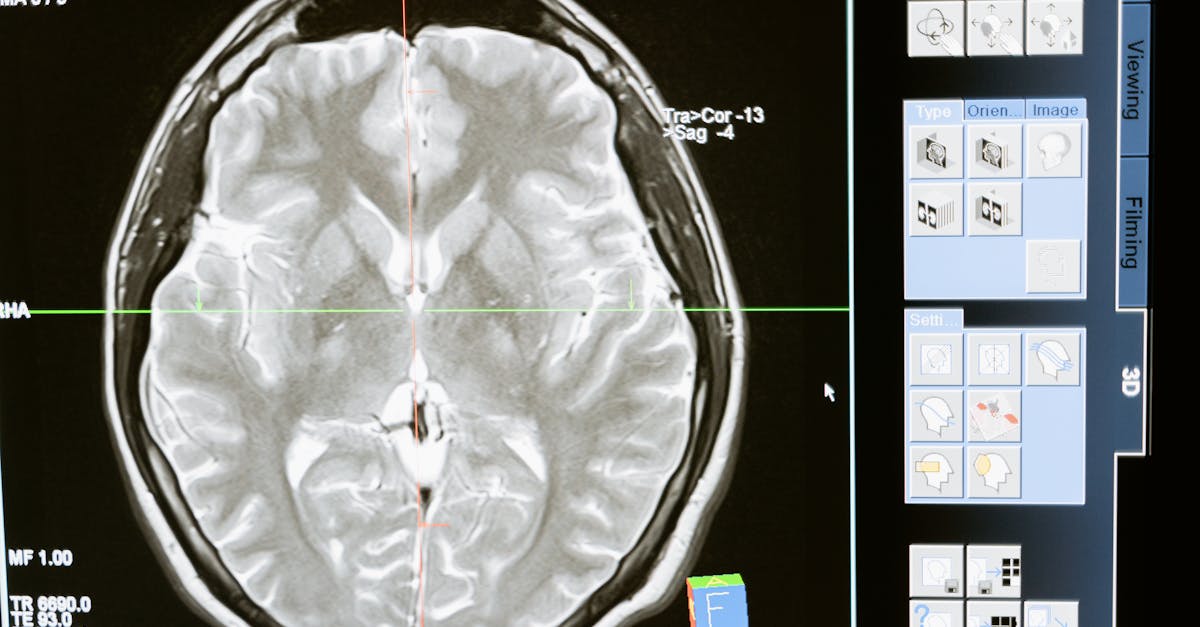
The architecture of human cognition is no longer a closed system. We are witnessing the first structural shifts in how we bridge biological wetware with digital logic. The recent announcement regarding the accelerated clinical translation of Brain-Computer Interface (BCI) technology—specifically the release of the ‘FocusXin’ Medical Edition for ADHD intervention—marks a pivotal transition from theoretical possibility to scalable public health infrastructure.
From Bespoke Research to Distributed Solutions
Historically, BCI has been confined to the laboratory: high-latency, high-friction, and requiring a team of specialists to manage a single node. As a senior architect of systems, I view the current shift in China as the ‘last mile’ of neural engineering. By achieving full-chain medical device certification for both software and hardware, we are moving away from bespoke experimental setups toward standardized, deployable assets.
For the 23 million children in China suffering from ADHD, the challenge is not just biological; it is a problem of throughput. Traditional pharmacological interventions often lack the precision of real-time feedback. BCI, specifically the prefrontal lobe single-channel EEG collector utilized by BrainCo, introduces a closed-loop system of ‘diagnosis-treatment-rehabilitation.’ This is an elegant architectural solution: it uses the brain’s own neuroplasticity as the corrective mechanism, mediated by a lightweight, low-threshold interface.
The Scalability of Neuro-Rehabilitation
The most significant takeaway from the recent Beijing summit is the emphasis on ‘multidisciplinary collaboration.’ In the world of systems design, we call this interoperability. For BCI to truly benefit public health, it cannot exist as an isolated silo. It requires a benign ecosystem where hospitals, schools, and enterprises share a unified data and treatment protocol.
We must consider the philosophical implications of this scalability. When we lower the barrier to entry—making EEG equipment lightweight and easy to operate—we democratize neuro-optimization. We are effectively building a new layer of the human experience, where the boundary between internal thought and external digital assistance becomes increasingly porous.
The Road Ahead: Systems Integration
As we look toward the next decade, the goal is not merely to treat ADHD but to refine the human-machine interface for a myriad of neuropsychiatric conditions. The ‘FocusXin’ release is a proof-of-concept for a larger vision: a world where neuro-rehabilitation is as accessible as a smartphone app, yet as clinically rigorous as neurosurgery.
To achieve this, we must focus on three architectural pillars:
- Hardware Friction Reduction: Moving from complex wiring to seamless, wearable sensors.
- Standardization: Establishing clinical pathways that can be replicated across different regulatory environments.
- Ethical Feedback Loops: Ensuring that as we gain the ability to ‘write’ to the brain’s rehabilitative pathways, we maintain the integrity of the individual.
We are no longer just building tools; we are designing the future of human potential. The clinical translation of BCI is the blueprint for a more resilient, cognitively empowered society.